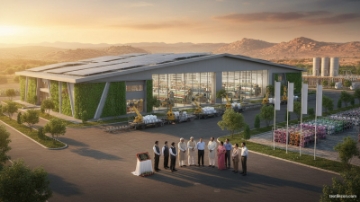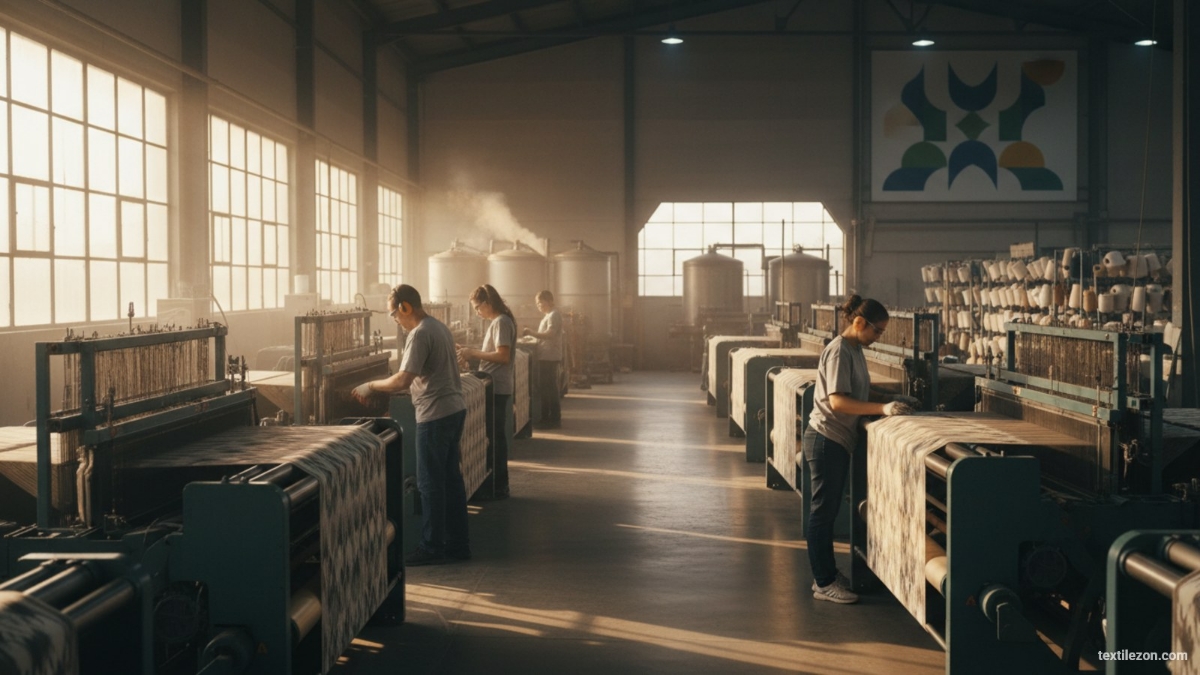
India's textile sector is set for a significant boost as Kakatiya Mega textile park secures investment commitments from 14 companies. The Telangana state government signed Memoranda of Understanding (MoUs) with these firms at the recent foundation-laying ceremony of the ambitious 2,000-acre facility in Warangal district. This marks a decisive step in transforming Warangal into a major textile manufacturing hub.
Kakatiya Textile Park: A 2,000-Acre Industrial Hub
The Kakatiya Mega textile park spans 2,000 acres in Telangana's Warangal district, positioning it among the largest dedicated textile industrial zones in southern India. The facility is designed to consolidate textile manufacturing operations under a single integrated zone with shared infrastructure. State planners envision the park as a full value chain ecosystem, from fibre processing to finished goods.
Telangana has been actively positioning itself as a competitive textile manufacturing destination in India. The state offers incentive packages covering power subsidies, land cost support, and capital investment grants for textile units. Warangal's proximity to India's cotton-growing belt and its strong road-rail connectivity make it a strategically sound location for a mega textile park.
14 Companies Sign MoUs at Foundation Ceremony
The Telangana state government signed MoUs with 14 companies at the foundation-laying ceremony, formalizing investment intentions across the textile value chain. These early-stage agreements give investors clarity on land allocation, infrastructure timelines, and available incentive structures. Securing 14 investors at foundation stage reflects strong confidence in the park's long-term viability.
MoU-based frameworks at this development phase are a defining feature of India's large-scale textile park model. Companies that commit early typically gain preferential positioning within the park's layout. This approach accelerates investment inflow while giving the park a committed industrial tenant base from the outset.
What This Means for B2B Textile Stakeholders
Integrated textile parks like Kakatiya reshape sourcing dynamics for global procurement professionals. Consolidated manufacturing zones deliver lower logistics costs, standardized quality controls, and streamlined compliance for buyers sourcing from India. These advantages position park-based suppliers as more reliable partners in international B2B trade.
For manufacturers and investors, early entry into the Kakatiya textile park offers access to shared effluent treatment facilities, centralized utilities, and a cooperative industrial environment. These factors reduce operational costs significantly compared to standalone facilities. Stay informed on India's textile infrastructure developments through the Info Center on Textilezon.
Frequently Asked Questions
What is the Kakatiya Mega textile park?
The Kakatiya Mega textile park is a 2,000-acre integrated textile industrial zone under development in Warangal district, Telangana, India. It is designed to support the full textile value chain under a single industrial ecosystem.
How many companies signed MoUs at the foundation ceremony?
Fourteen companies signed MoUs with the Telangana state government at the foundation-laying ceremony of the Kakatiya Mega textile park. These agreements formalize investment commitments from firms across the textile sector.
Why is the Kakatiya textile park significant for global buyers?
The park consolidates manufacturing in an infrastructure-supported zone, offering improved sourcing reliability, compliance standards, and supply chain efficiency. It strengthens India's position as a competitive textile sourcing destination for international B2B buyers.