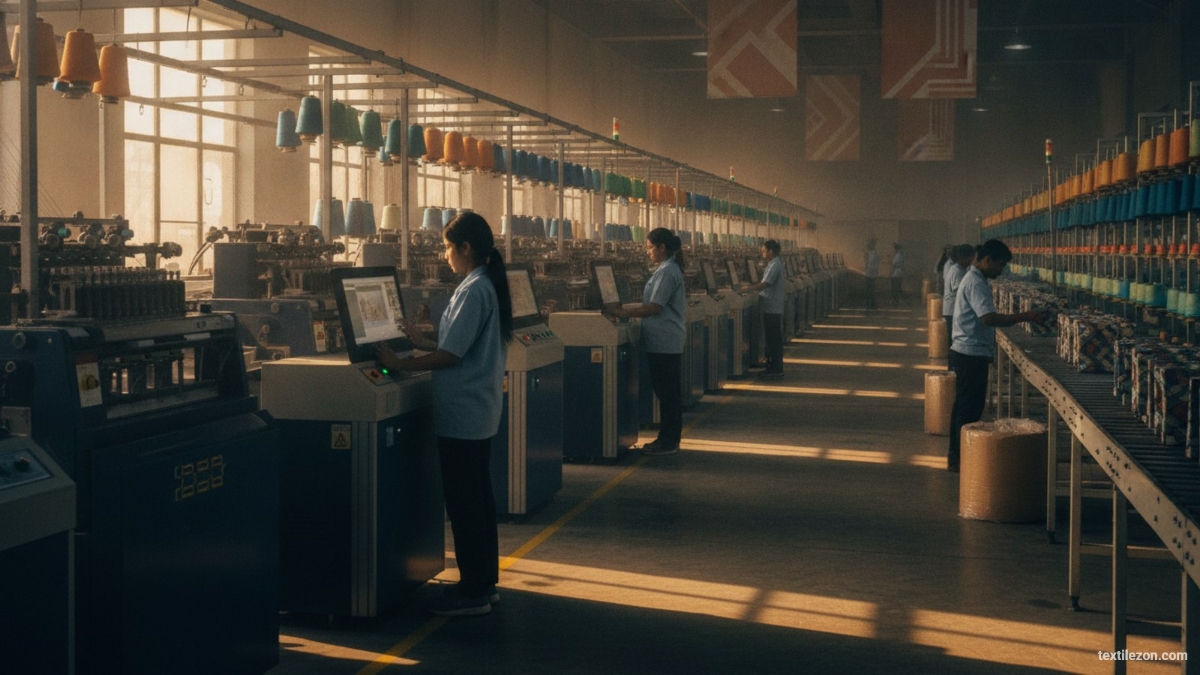
Bangladesh apparel manufacturers are shifting away from their long-standing reputation as a low-cost labor hub. New findings from the Bangladesh Apparel Report show the sector pivoting toward a value-driven model built on quality and environmental compliance. This shift positions Bangladesh apparel exporters to compete on more than price alone.
From Low-Cost Labor to Value-Driven Bangladesh Apparel Production
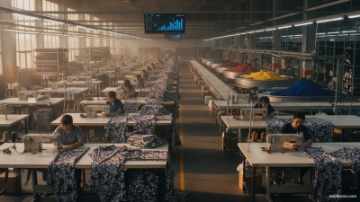
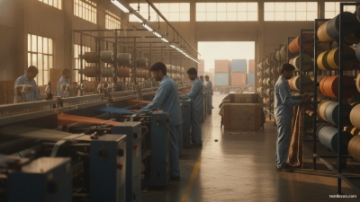
Industry stakeholders are prioritizing high-end, complex garments over basic, high-volume items. Factories are investing in advanced technical capabilities to secure better margins and long-term resilience. This shift in Bangladesh apparel manufacturing relies heavily on automation and structured worker training.
Upgraded production lines now target quality benchmarks that match international buyer expectations. Manufacturers view this transition as essential for staying competitive as global sourcing patterns evolve.
- Investment in automation and technical machinery
- Expanded worker training programs
- Focus on complex, higher-margin garment categories
Sustainable Fashion Standards Drive Green Factory Growth
Environmental responsibility sits at the center of this transformation. Bangladesh currently leads the world in the number of LEED-certified green factories, according to the report. This distinction reflects a sustained industry-wide push toward sustainable fashion.
These green factories are engineered to cut carbon footprints and reduce resource consumption. Compliance with environmental standards has become a baseline requirement for maintaining clothing exports to Western markets.
Strengthening Bangladesh Apparel's Position in Global Trade
To sustain export growth, the industry is addressing infrastructure gaps and energy efficiency. Upgrading garment manufacturing processes alongside sustainable practices helps the sector present itself as a reliable, ethical sourcing partner.
Transparency and international labor standards remain central to this strategy. Buyers increasingly expect suppliers to document compliance across the full production chain, not just final output.
Readers can follow ongoing developments in textile news on textilezon.com as the Bangladesh apparel sector continues its transition.
Frequently Asked Questions
Why is Bangladesh apparel moving away from low-cost labor?
Rising global competition and buyer demand for quality and compliance are pushing manufacturers toward higher-value, sustainable production instead of relying solely on cheap labor costs.
What role do green factories play in this shift?
Bangladesh leads the world in LEED-certified green factories, giving the sector a strong sustainability credential that supports continued access to Western clothing export markets.
What challenges remain for Bangladesh apparel exporters?
Infrastructure gaps and energy efficiency remain key hurdles. The industry is investing in upgrades to keep pace with rising international compliance and quality expectations.
The Bangladesh apparel sector's pivot toward quality, sustainability, and technical capability marks a durable shift in global sourcing strategy. Manufacturers investing now in automation, training, and green infrastructure are positioning themselves as long-term partners rather than low-cost alternatives. This transition strengthens Bangladesh's standing among global buyers seeking dependable, compliant supply chains.